Running a successful business requires more than generating leads and increasing sales. Companies must manage employees, coordinate projects, maintain customer relationships, monitor daily activities, and ensure that every department works toward shared goals. When these processes rely on separate tools and manual spreadsheets, businesses may experience communication gaps, delayed decisions, and unnecessary administrative work.
This is where integrated business software becomes valuable. With the right technology, organizations can simplify routine operations, improve team coordination, and manage important business information from a centralized platform.
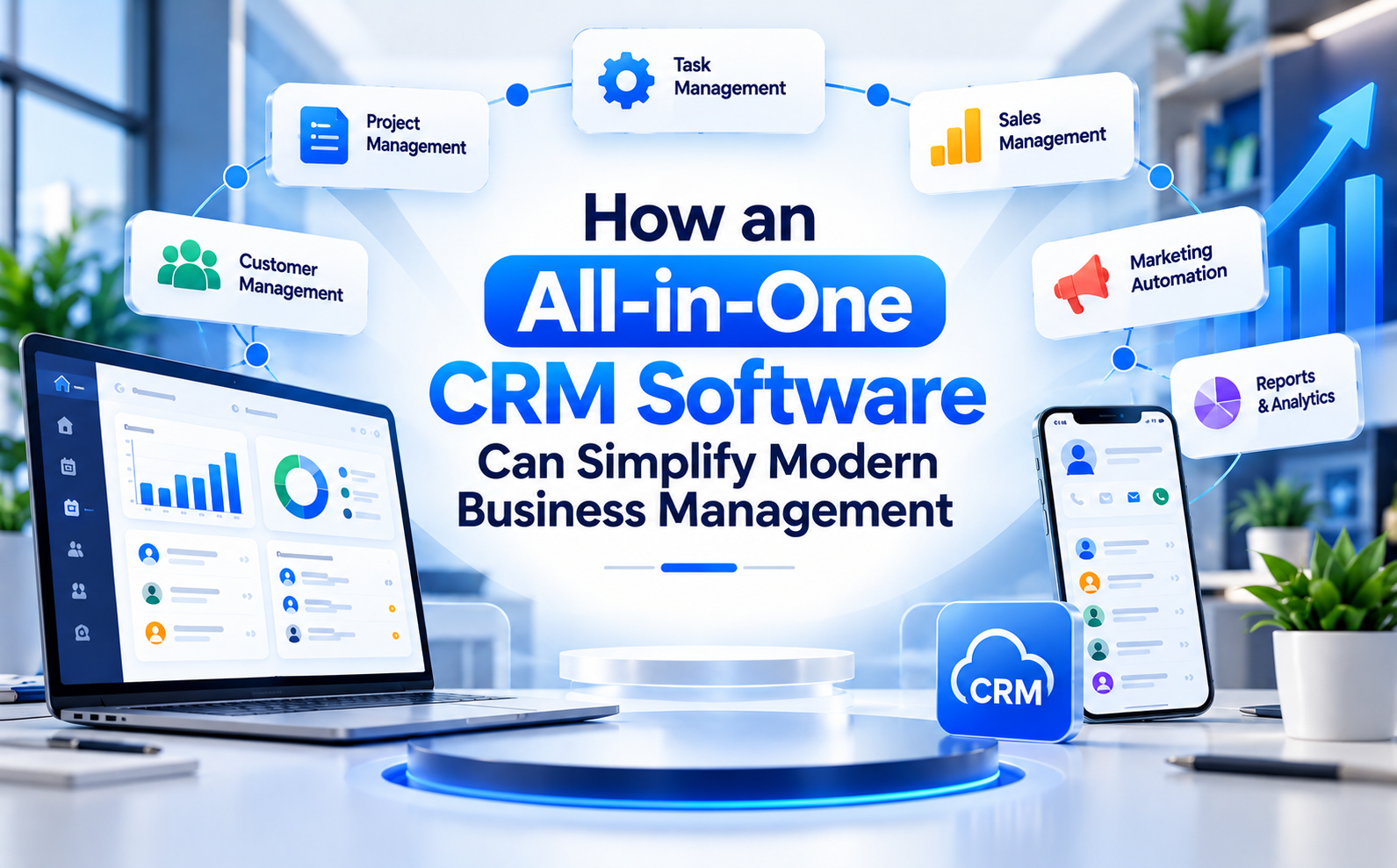
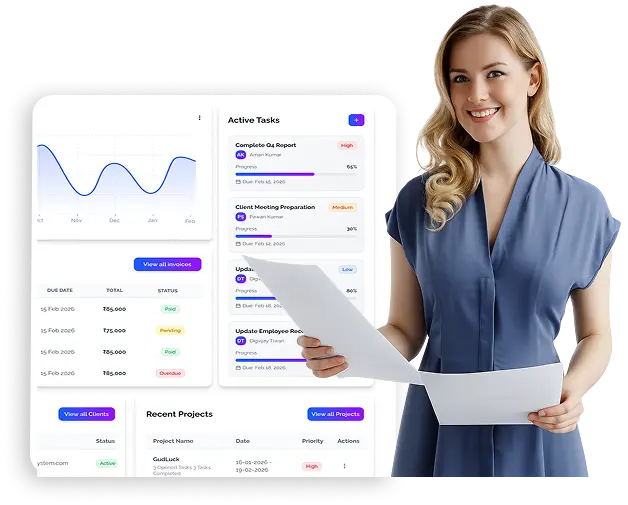
Renown System offers an integrated CRM and business management solution that brings together employee management, client management, project tracking, task management, payroll, invoicing, and other essential business functions. By connecting these processes, businesses can establish more organized workflows and build a stronger foundation for sustainable growth.
Why Businesses Need an Integrated Software Solution
As a company grows, managing its daily operations becomes increasingly complex. Sales teams need accurate customer information, HR departments must maintain employee records, and managers need visibility into projects, deadlines, and performance.
Using disconnected applications can make it difficult to access consistent information. Employees may spend valuable time updating records, searching for documents, or requesting status updates from different departments.
An integrated software solution helps address these challenges by bringing essential business activities together. Instead of managing multiple systems independently, organizations can improve information sharing, streamline workflows, and make decisions using more accessible business data.
For startups, small businesses, and growing organizations, this approach can support better resource utilization without adding unnecessary operational complexity.
1. Improve Workforce Operations with HR Management Software
Employees play a crucial role in business performance. However, managing attendance, leave requests, employee information, payroll, and responsibilities manually can create additional pressure on HR teams.
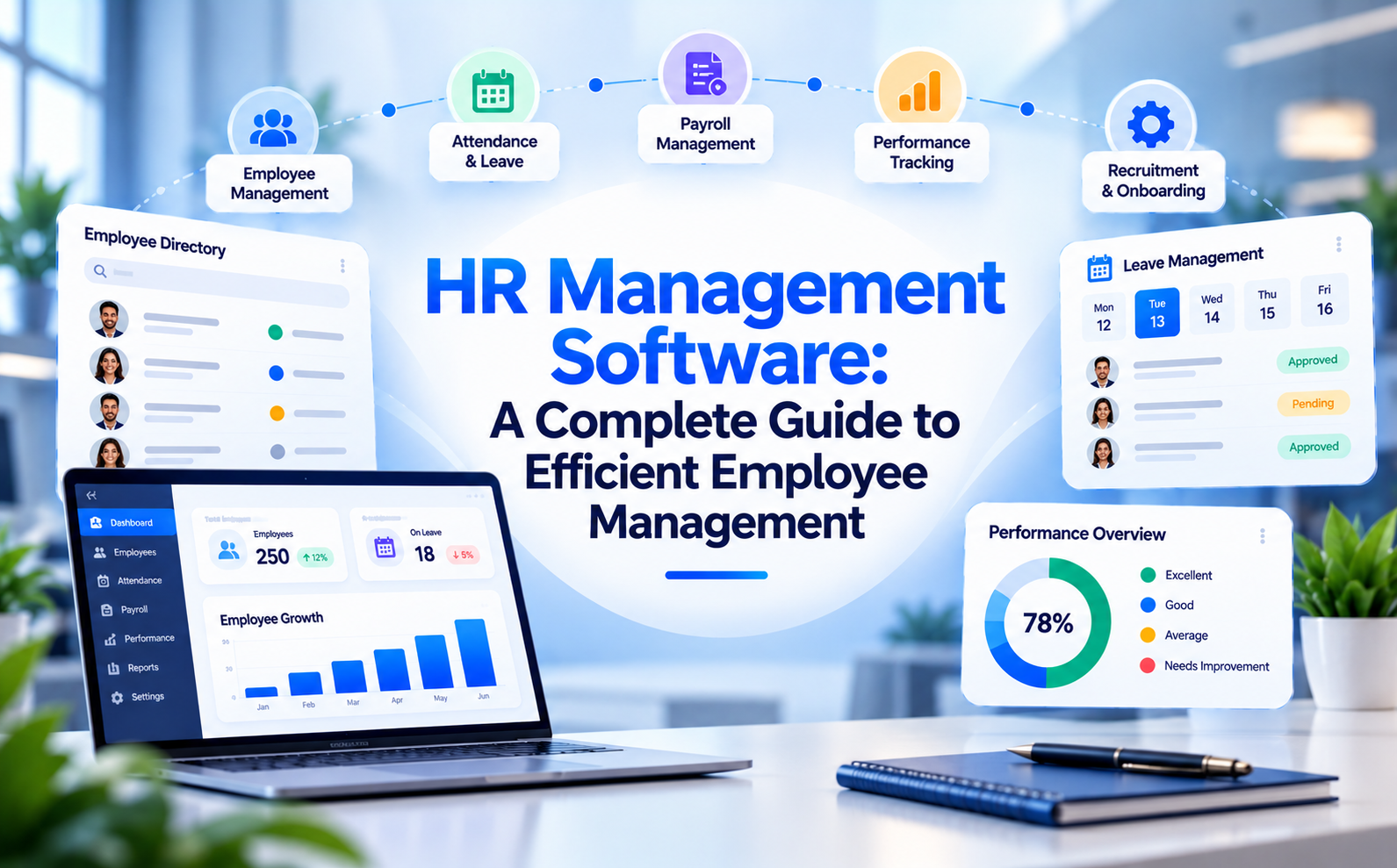
Modern HR Management Software helps businesses organize essential workforce activities and reduce repetitive administrative work. Depending on the available features, organizations can maintain employee records, monitor attendance, manage leave requests, coordinate onboarding, and access workforce reports through a centralized system.
The main advantages include:
- Organized employee records: Keep essential employee information accessible to authorized users.
- Simplified attendance management: Maintain attendance records and improve workforce visibility.
- Efficient leave administration: Organize leave requests, approvals, and leave-related information.
- Better task coordination: Connect employee responsibilities with daily business activities.
- Improved reporting: Use available workforce information to support more informed management decisions.
Renown System includes employee management, leave management, onboarding, and payroll-related capabilities to help businesses organize important workforce processes. These tools can support more efficient administration while allowing managers to focus on employee development and business priorities.
2. Streamline Daily Operations with Business Management Software
Business growth depends on how effectively an organization manages its resources, projects, customers, and internal processes. When these activities operate independently, managers may struggle to identify delays and maintain consistent productivity.
Business Management Software provides a structured way to coordinate different operational activities from a centralized platform. Rather than relying entirely on spreadsheets, emails, and manual updates, businesses can organize tasks, monitor projects, manage invoices, and review available performance information.
An effective business management solution can help organizations:
- Assign tasks and monitor their progress.
- Coordinate projects and manage deadlines.
- Organize customer and employee information.
- Track invoices and support billing workflows.
- Improve communication between departments.
- Access relevant reports for operational planning.
Renown System combines several of these capabilities within its CRM platform. Businesses can connect client-related activities with project management and employee responsibilities, helping teams understand priorities and coordinate their work more effectively.
For growing organizations, this connected approach can reduce information gaps and make everyday management more structured.
3. Build Stronger Relationships Using Client Management Software
Customers expect timely communication, personalized service, and reliable follow-ups. When client information is scattered across emails, documents, and individual employees' records, maintaining a consistent customer experience becomes difficult.
Client Management Software helps businesses organize customer details, maintain interaction histories, track follow-up activities, and manage client-related tasks. This gives teams a clearer view of their customer relationships and helps them respond more efficiently to customer requirements.
For example, a sales representative can review previous interactions before contacting a prospect. A project manager can check relevant client information when coordinating deliverables, while a support team can use available records to understand an ongoing issue.
Important capabilities to look for include:
- Centralized client databases and contact records.
- Interaction tracking and activity history.
- Follow-up reminders and task assignments.
- Client document organization.
- Project coordination and customer-related reporting.
Renown System provides client management features designed to organize customer information, interactions, tasks, and follow-ups. By keeping relevant information accessible in one place, businesses can improve internal coordination and create more consistent customer experiences.
4. Manage Customer Interactions with a Customer Relationship Management System
Customer relationships influence sales performance, customer satisfaction, and long-term business opportunities. However, maintaining these relationships becomes more challenging when businesses manage large numbers of prospects, active customers, and ongoing enquiries.
A Customer Relationship Management System helps organizations structure their customer-facing processes, from organizing contact information to tracking opportunities and managing follow-up activities.
A well-organized CRM process can help sales teams understand where each prospect stands, identify pending actions, and maintain better communication throughout the customer journey.
Businesses can use CRM capabilities to:
- Maintain organized customer and prospect records.
- Track sales activities and follow-up requirements.
- Improve coordination between sales and service teams.
- Monitor relevant customer interactions.
- Identify opportunities for improving conversion processes.
- Support more informed sales planning through available reports.
Renown System combines customer management with business operations, project tracking, task coordination, and other useful capabilities. This integrated approach helps businesses connect customer-related activities with the internal teams responsible for delivering products or services.
Rather than treating customer management as an isolated function, organizations can incorporate it into their broader operational workflow.
5. Connect Employee Productivity and Customer Satisfaction
Employee productivity and customer satisfaction are closely connected. When employees understand their responsibilities, access the information they need, and coordinate effectively with colleagues, they are better positioned to deliver timely service.
An integrated platform can help connect workforce management with customer-related activities. For instance, managers can organize project responsibilities, assign tasks, monitor progress, and review client-related work within a more structured process.
This connection can help businesses identify operational bottlenecks, improve accountability, and coordinate resources more effectively.
It also reduces the need to repeatedly request updates from different departments. When relevant information is available through shared workflows and authorized access, teams can spend less time searching for details and more time completing meaningful work.
Although software alone cannot guarantee higher productivity or customer satisfaction, the right system can provide the structure and visibility needed to improve everyday business processes.
6. What Should You Consider When Choosing Business Software?
Selecting software requires understanding your company's current challenges and future requirements. A solution that works for one organization may not be suitable for another, so businesses should evaluate their needs before making a decision.
Consider these factors when comparing platforms:
Ease of use: Choose an interface that employees and managers can learn without unnecessary complexity.
Relevant features: Check whether the platform supports your requirements for employee management, client tracking, project coordination, invoicing, and reporting.
Workflow integration: Evaluate how effectively the available modules connect different business activities.
Data protection: Review access controls, security practices, backup procedures, and data-handling policies.
Scalability: Consider whether the platform can accommodate changing team sizes and operational requirements.
Pricing and support: Compare subscription costs, included features, onboarding assistance, and available customer support.
A careful evaluation helps businesses select technology that addresses practical operational needs instead of investing in features they may never use.
Why Choose Renown System for Business Management?
Renown System provides an integrated CRM platform designed to help businesses organize customer relationships and internal operations. Its available features include employee management, leave management, onboarding, task management, project management, client management, payroll, invoicing, and ticket management.
By bringing these functions together, the platform can help businesses improve information accessibility, coordinate responsibilities, and establish more organized workflows.
Whether your organization wants to simplify employee administration, improve client follow-ups, or gain better visibility into projects, evaluating an integrated platform can be a useful step toward improving operational efficiency.
Explore the available features, compare them with your business requirements, and identify the workflows that would benefit most from greater organization and automation.
Conclusion: Build a More Organized Business with Renown System
Sustainable business growth requires effective coordination between people, processes, and customer relationships. Managing these areas through disconnected tools can create avoidable complexity, particularly as an organization expands.
Integrated HR Management Software, Business Management Software, Client Management Software, and a Customer Relationship Management System can help businesses centralize important information, organize daily activities, and improve collaboration across departments.
Renown System brings multiple business management capabilities together within one CRM platform, helping organizations establish more connected and manageable workflows.
Ready to simplify your business operations? Visit Renown System to explore its features, review the available plans, and request a personalized demo to understand how the platform can support your organization's business management needs.