Modern businesses manage more customers, employees, projects, deadlines, and daily operations than ever before. Using spreadsheets, emails, and disconnected applications to manage these activities can make it difficult to maintain visibility and keep teams aligned. Businesses therefore need centralized digital solutions that can connect project planning, employee activities, customer information, and business workflows.
A modern Project Management Software solution can help organizations plan projects, assign tasks, monitor deadlines, and track progress from one centralized platform. When project management capabilities are combined with customer and employee management, businesses can create a more connected and efficient workflow.
Renown System provides an integrated business management platform designed to help organizations manage projects, customers, employees, tasks, and business activities more efficiently.
What Is Project Management Software?
Project Management Software is a digital solution that helps businesses plan, organize, assign, and monitor project-related activities. Instead of relying on spreadsheets or multiple communication channels, teams can manage tasks, deadlines, responsibilities, and project progress through a centralized system.
A structured project management platform can help managers understand what has been completed, which tasks are pending, who is responsible for each activity, and whether a project is progressing according to schedule.
For businesses managing multiple clients or projects simultaneously, centralized project information can make daily operations easier to organize and monitor.
Why Businesses Need an Integrated Project Management CRM
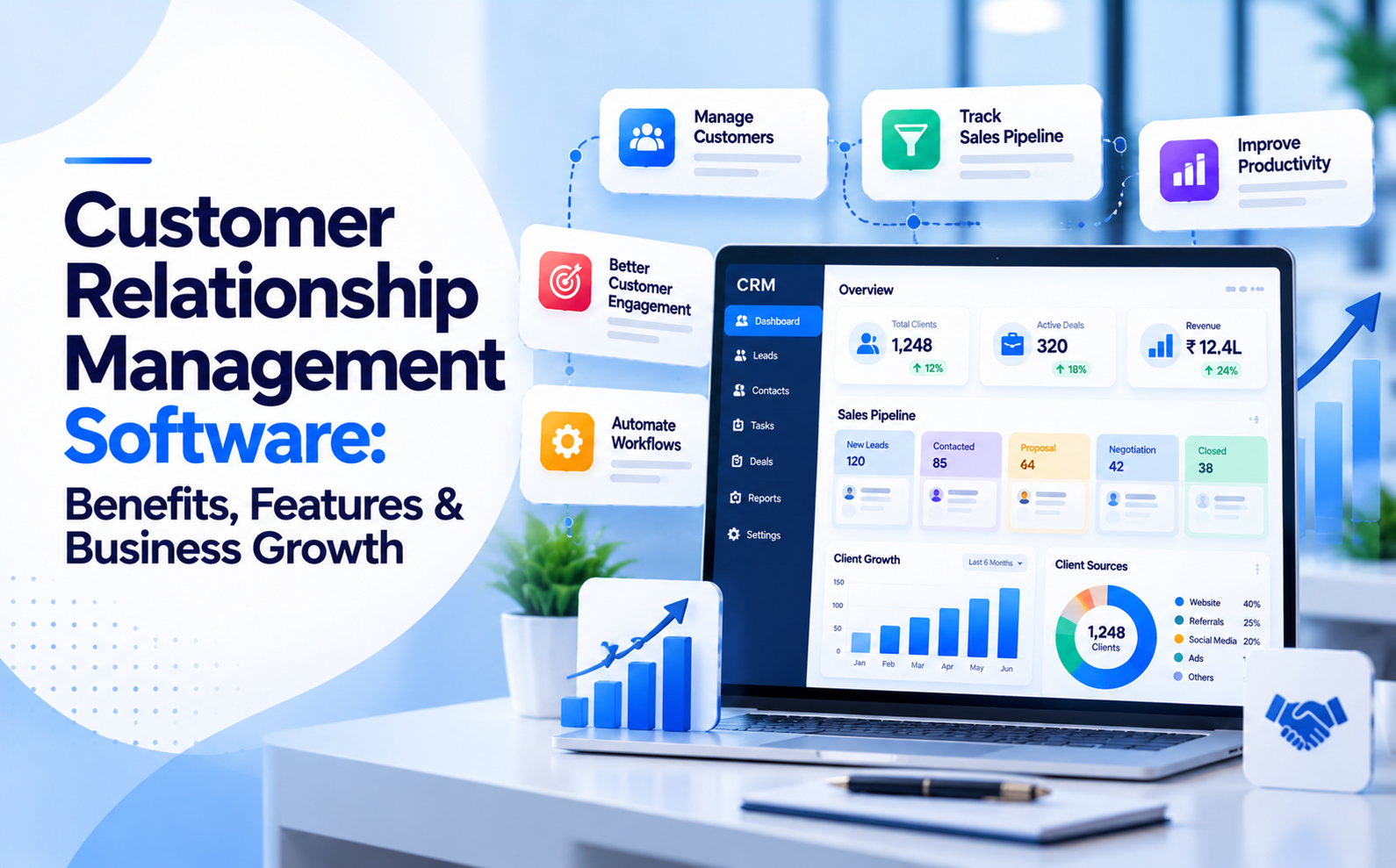
Traditional project management focuses primarily on tasks and deadlines, while CRM focuses on customer relationships and business interactions. When these functions operate separately, important customer information can become disconnected from project activities.
A Project Management CRM brings customer information and project workflows together. Teams can access relevant customer details while managing project tasks, deliverables, communications, and deadlines.
This connected approach can help businesses reduce information silos and improve communication between sales, customer service, management, and project teams.
For example, once a customer becomes a client, project teams can access relevant customer information while planning project activities. Managers can then monitor both customer-related activities and project progress from a centralized environment.
Key Features of an Effective Project Management Solution
Businesses should look for features that support both project execution and operational visibility. Important capabilities include:
Project Planning and Task Management
Managers can divide projects into individual tasks, establish priorities, assign responsibilities, and set deadlines. Employees can then focus on clearly defined activities instead of relying on manual instructions.
Real-Time Project Tracking
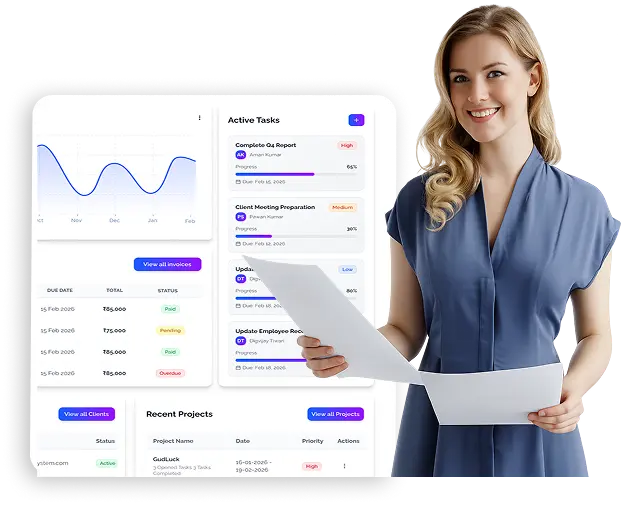
A centralized dashboard allows managers to monitor project progress, pending activities, completed tasks, and upcoming deadlines. This can help identify potential delays earlier and improve project coordination.
Employee Task Assignment
Project success depends heavily on assigning the right responsibilities to the right team members. An integrated system allows managers to assign tasks and monitor progress while maintaining greater visibility into employee workloads.
Customer Information Management
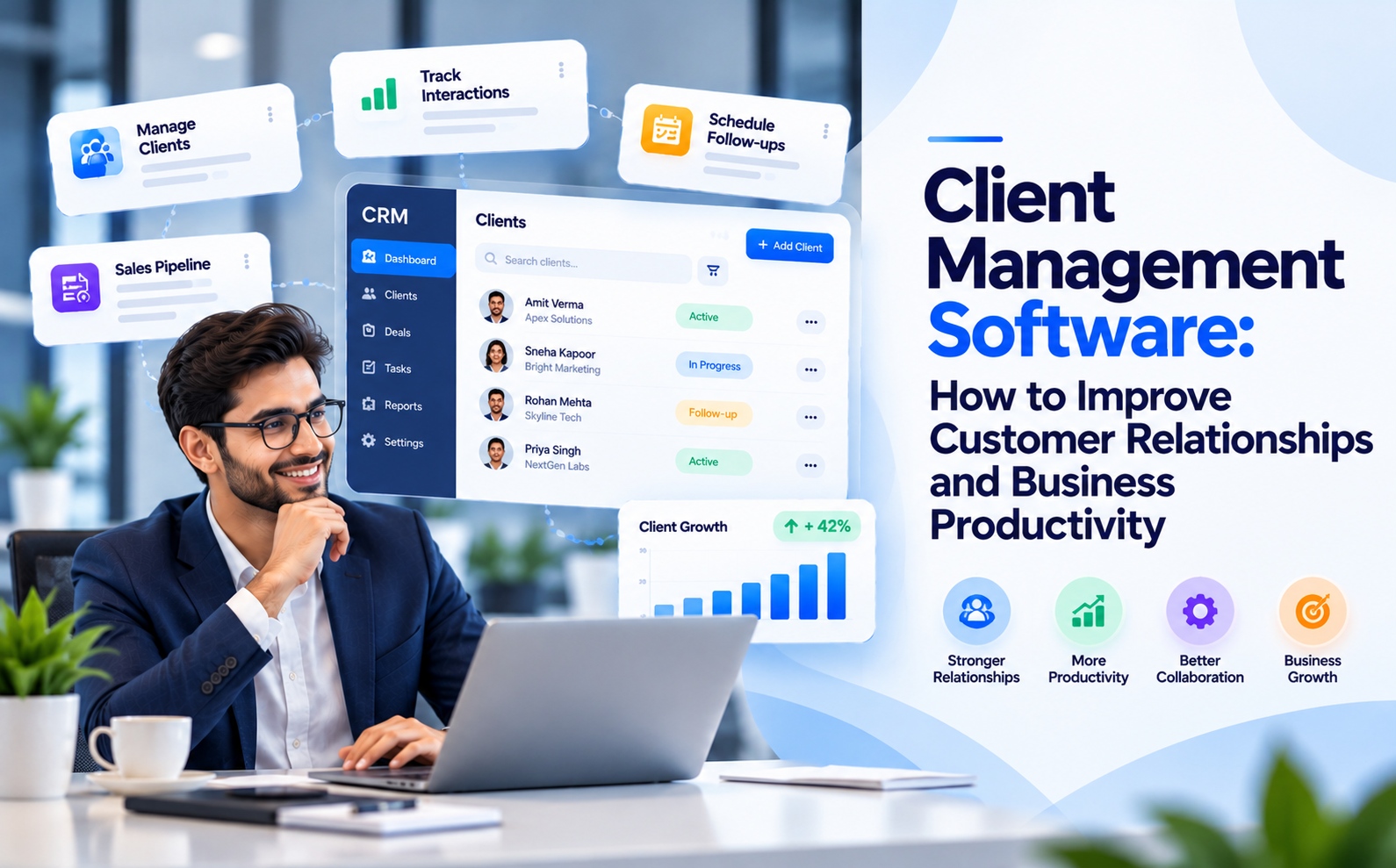
Customer details, communication records, project requirements, and follow-up information can be organized within a centralized CRM environment. This helps employees access relevant information without searching through multiple systems.
Reporting and Analytics
Business reports can provide useful insights into project performance, employee activities, task completion, and customer-related operations. Managers can use these insights to identify workflow issues and make informed operational decisions.
How an Employee Management System Supports Project Teams
Projects depend on people. Even a well-planned project can experience delays if responsibilities are unclear or employee activities are difficult to monitor.
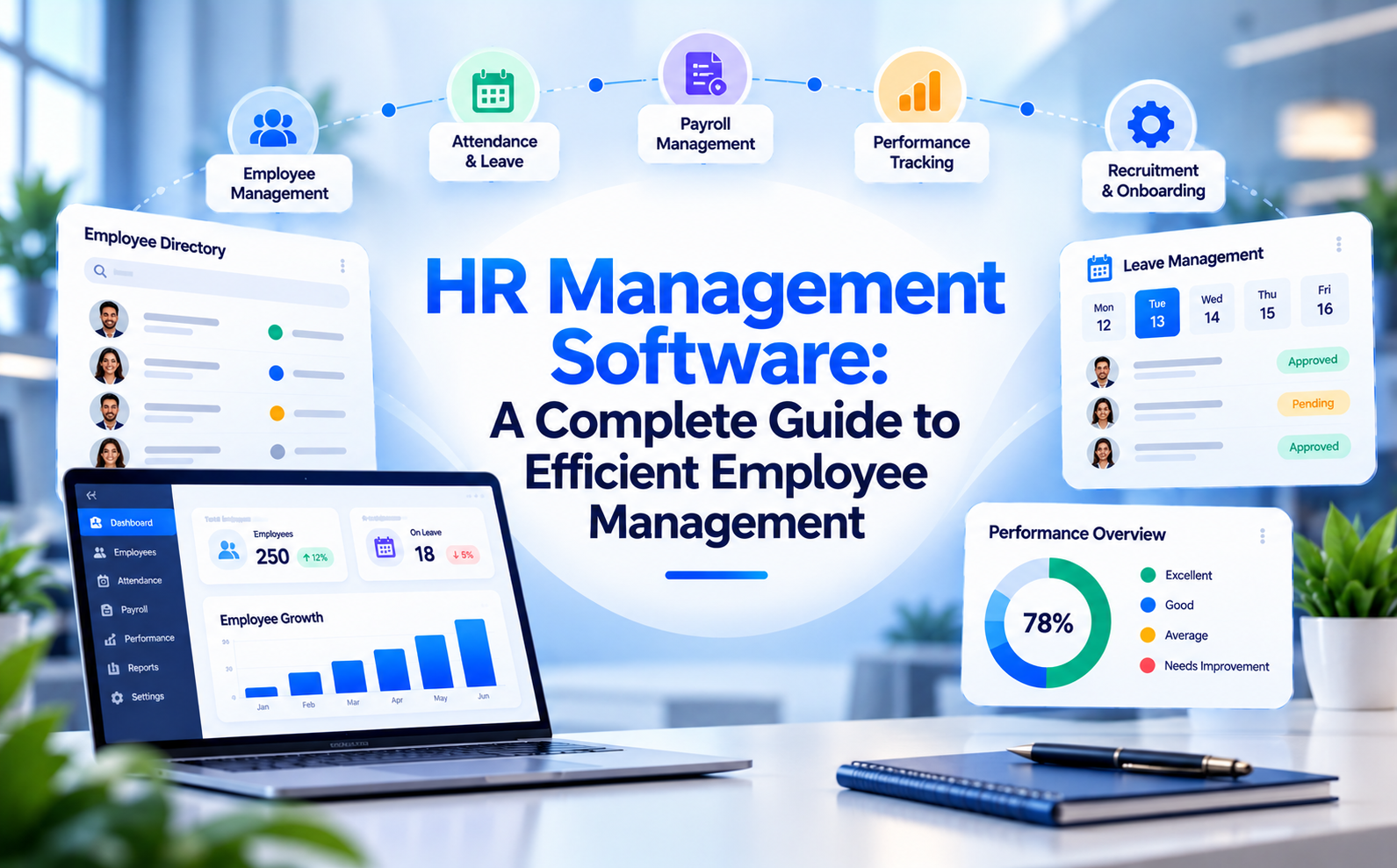
An Employee Management System can help organizations organize employee information, responsibilities, tasks, attendance-related activities, performance information, and work progress within a centralized platform.
When employee management and project management work together, managers can gain better visibility into workforce allocation. They can identify pending responsibilities, monitor task completion, and distribute work according to business requirements.
This can be especially useful for growing businesses managing multiple teams and projects simultaneously.
Benefits of Connecting Project Management and CRM
Combining project management with customer relationship management can provide several operational advantages.
1. Centralized Business Information
Employees can access project and customer information from one system rather than searching through different applications, spreadsheets, and email conversations.
2. Improved Team Collaboration
When project responsibilities, customer information, and task updates are accessible centrally, teams can communicate more efficiently and reduce unnecessary follow-ups.
3. Better Project Visibility
Managers can monitor project progress, deadlines, assigned tasks, and pending activities through centralized dashboards.
4. Improved Customer Service
A Customer Relationship Management System helps businesses organize customer information and interactions. When customer data is connected with project activities, teams can better understand client requirements and maintain continuity throughout the customer journey.
5. Increased Employee Accountability
Clearly assigned tasks and measurable project activities make it easier for managers and employees to understand responsibilities and monitor work progress.
6. More Efficient Business Operations
By reducing duplicate data entry and minimizing the need to switch between multiple systems, an integrated platform can simplify everyday business processes.
Project Management Software for Growing Businesses
Small and medium-sized businesses often begin with spreadsheets, email, messaging applications, and separate tools for different departments. While these methods may work initially, growing operations can make them difficult to maintain.
As the number of employees, customers, and projects increases, businesses need a more structured approach.
A centralized Project Management Software platform can help businesses organize projects, assign tasks, monitor deadlines, manage employees, and connect project activities with customer information.
This is particularly valuable for service-based companies, agencies, IT businesses, consulting firms, marketing teams, construction companies, and other organizations that manage multiple client projects.
How Renown System Helps Businesses Manage Operations
Renown System is designed to bring important business activities into a connected digital environment. Businesses can use the platform to manage customer relationships, projects, employees, tasks, reporting, and operational workflows.
The platform can help organizations:
- Organize customer information
- Manage projects and tasks
- Assign employee responsibilities
- Monitor project progress
- Improve team collaboration
- Track business activities
- Access centralized reports
- Improve customer communication
- Reduce manual administrative work
By connecting these activities, businesses can create a more organized workflow and improve visibility across different operational areas.
Choosing the Right CRM and Project Management Solution
Before selecting a business management platform, organizations should consider their operational requirements. Important factors include ease of use, scalability, project management capabilities, customer management, employee management, reporting, workflow automation, data security, and accessibility.
Businesses should also consider whether their chosen platform can support future growth. A solution that works for a small team should ideally be capable of supporting additional employees, customers, projects, and business processes as the organization expands.
The objective should not simply be to add another software tool. The objective is to create a connected workflow that helps employees work more efficiently and gives managers better visibility into business operations.
Conclusion
Managing projects, employees, and customer relationships through separate systems can create unnecessary complexity. An integrated approach connects project activities with employee responsibilities and customer information, helping businesses create more organized and transparent workflows.
A Project Management CRM can combine project planning, task management, customer relationship management, employee activities, and reporting within one centralized environment. At the same time, an Employee Management System can help organizations improve workforce visibility and accountability, while a Customer Relationship Management System helps maintain organized customer information and communication.
Renown System provides businesses with an integrated platform designed to simplify project management, employee coordination, customer management, and daily business operations. By bringing these functions together, organizations can build more efficient workflows, improve collaboration, and create a stronger foundation for sustainable business growth.