Managing a growing business requires more than increasing sales. Companies must coordinate employees, manage customer relationships, monitor projects, organize daily tasks, and maintain clear communication between departments. When these activities are handled through spreadsheets, emails, and disconnected applications, important information can become difficult to track, and operational efficiency may suffer.
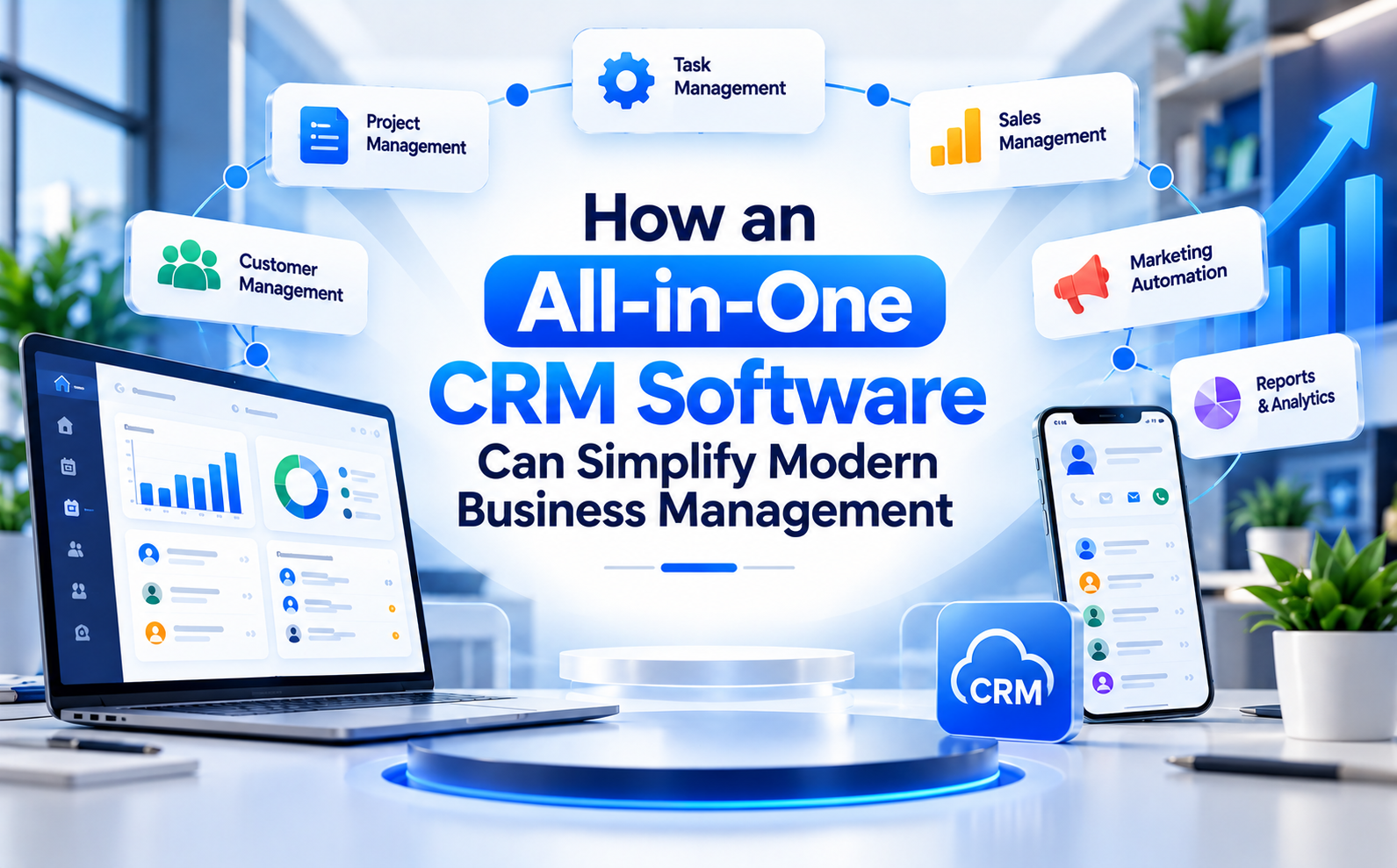
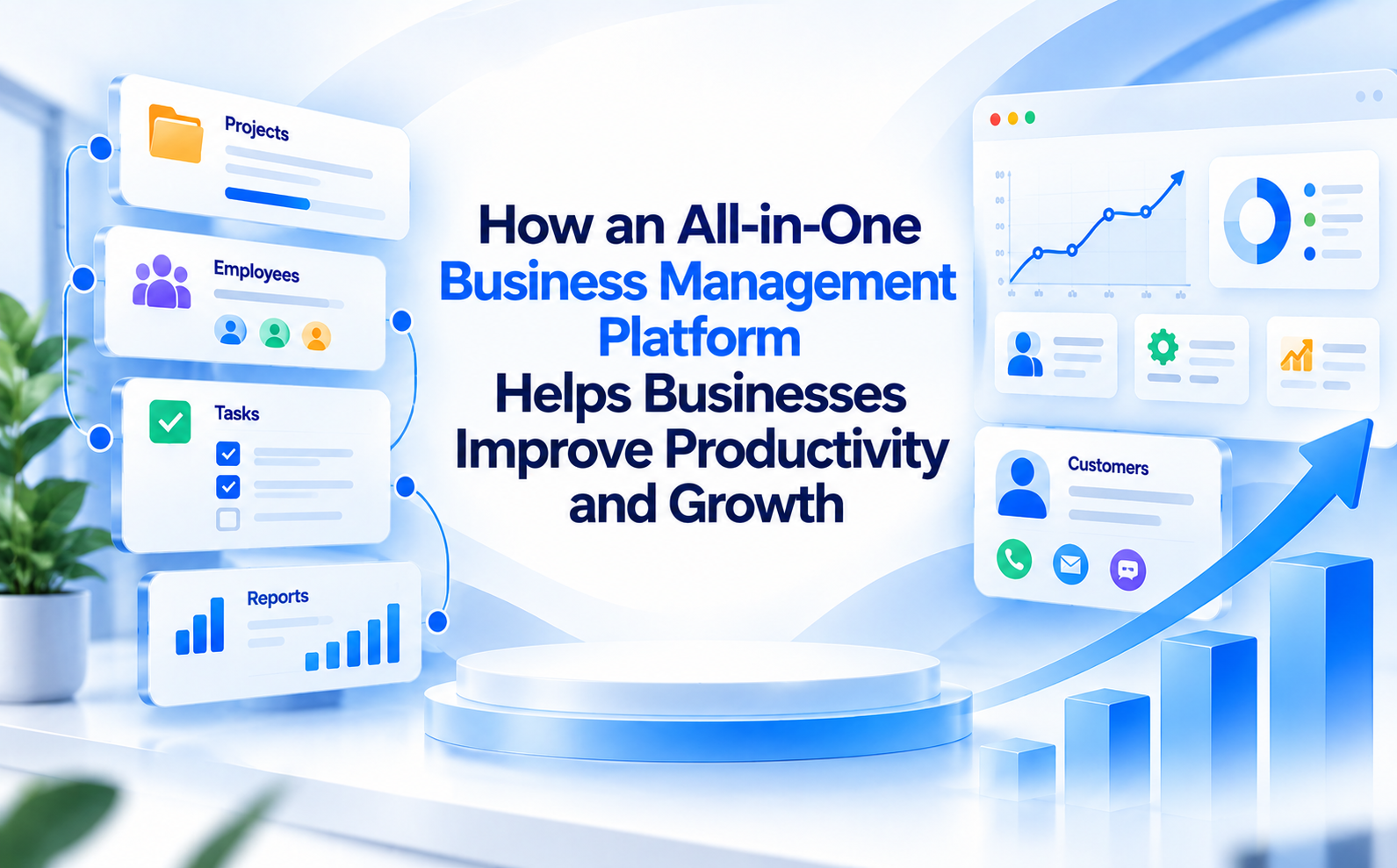
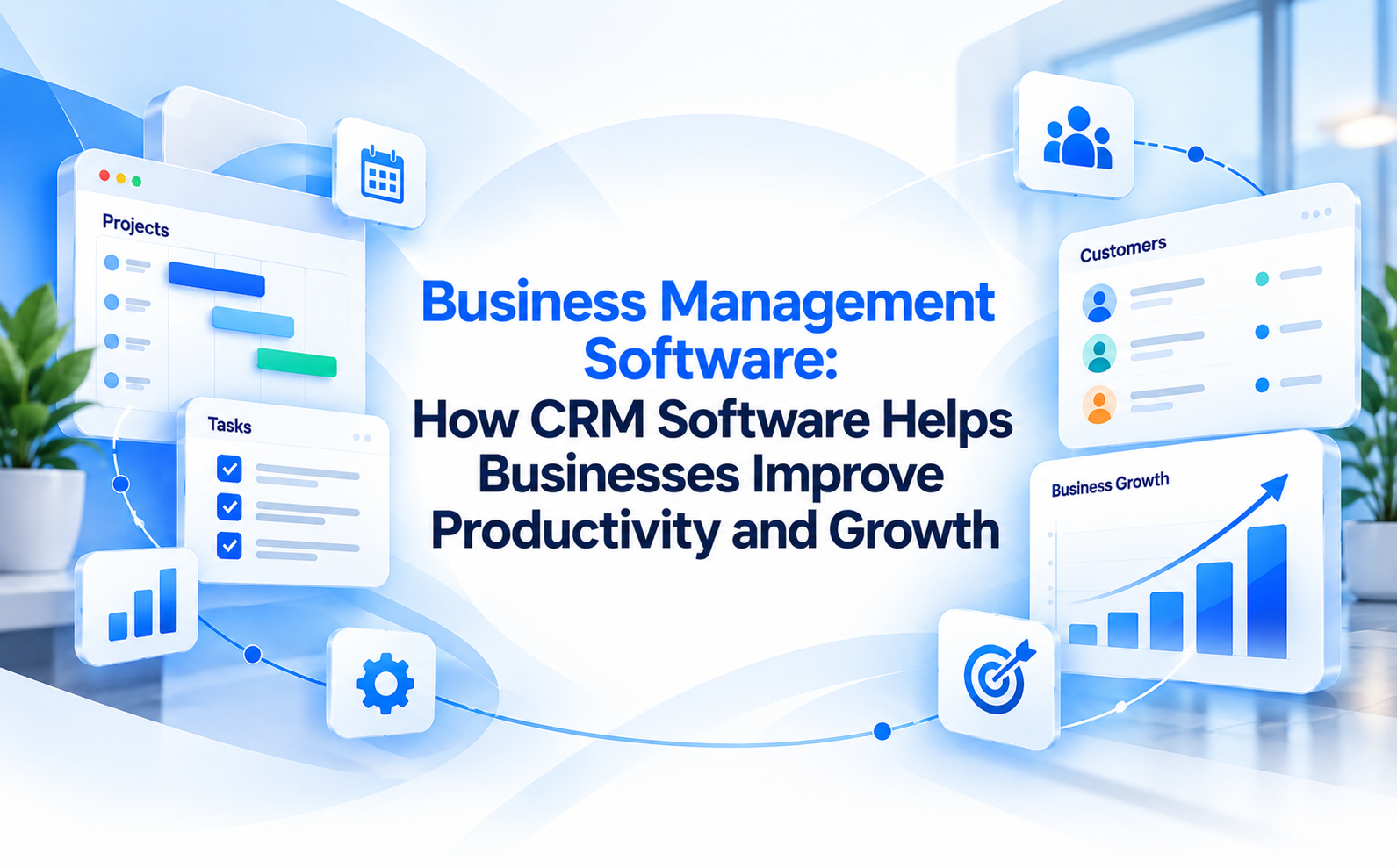
This is where Business Management Software becomes valuable. By bringing essential business activities together on a centralized platform, organizations can improve visibility, streamline workflows, and make more informed decisions. Renown System offers an integrated business management solution designed to help businesses manage employees, customers, projects, and operational activities from one platform.
What Is Business Management Software?
Business Management Software is a digital solution that helps organizations organize and manage their daily operations more efficiently. Depending on its features, it can support employee administration, customer relationship management, project planning, task allocation, reporting, and workflow automation.
Instead of maintaining separate systems for different departments, businesses can use a unified platform to access relevant information and coordinate activities more effectively.
For startups, growing companies, and established organizations, the right software can help reduce repetitive administrative work, improve accountability, and provide better visibility into business performance.
1. Simplify Workforce Operations with an Employee Management System
Employees are an essential part of every successful organization. However, managing employee records, attendance, leave requests, responsibilities, and performance can become increasingly complicated as a company grows.
An Employee Management System helps businesses organize workforce information and simplify everyday HR activities. With centralized employee records and structured workflows, managers can access important information without relying entirely on manual documentation.
Key benefits include:
- Centralized employee records: Maintain employee information in an organized digital environment.
- Attendance and leave management: Simplify attendance tracking, leave requests, and approval workflows.
- Role and responsibility management: Establish clearer responsibilities across teams.
- Employee onboarding: Organize onboarding activities and help new employees understand their responsibilities.
- Performance visibility: Monitor assigned work and review relevant performance information.
A structured workforce management process can reduce administrative complexity and allow HR teams and managers to focus on more strategic responsibilities.
Renown System provides employee management capabilities alongside other business tools, helping organizations coordinate workforce activities within a broader operational workflow.
2. Build Stronger Customer Relationships with CRM Software
Customer relationships play a significant role in long-term business growth. However, when customer information is scattered across emails, spreadsheets, and different applications, sales teams may struggle to maintain consistent communication and timely follow-ups.
CRM Software, or Customer Relationship Management software, helps businesses organize customer information, monitor sales activities, and manage interactions throughout the customer journey.
A well-organized CRM system can help businesses:
- Maintain centralized customer and client information.
- Track leads and sales opportunities.
- Organize customer interactions and follow-up activities.
- Improve coordination between sales and other departments.
- Review sales performance through reports and dashboards.
For example, when a sales representative receives a new inquiry, the business can record the relevant details, assign follow-up responsibilities, and monitor progress through the sales process.
Renown System brings customer management and business operations together, helping teams maintain better visibility into customer activities and coordinate their work more efficiently.
3. Improve Project Delivery with Project Management Software
Missed deadlines, unclear responsibilities, and inconsistent communication can affect project outcomes. These challenges often become more noticeable when multiple employees or departments work on the same project.
Project Management Software helps businesses plan projects, assign tasks, monitor progress, and coordinate team activities from a centralized workspace.
Its practical advantages include:
- Task allocation: Assign responsibilities to the appropriate team members.
- Progress tracking: Review task status and identify work that requires attention.
- Deadline management: Establish timelines and monitor important milestones.
- Team collaboration: Improve communication around project responsibilities and updates.
- Management visibility: Understand project progress and identify potential delays earlier.
For instance, a marketing team managing a product launch can organize content creation, campaign preparation, design work, and approvals into clearly assigned tasks. Managers can then review progress and coordinate the next steps.
By improving task visibility and accountability, project management tools can help teams organize their workload and deliver work more consistently.
4. Why Businesses Benefit from an Integrated Management Platform
Using separate applications for HR, sales, and project coordination may create unnecessary complexity. Employees might need to switch between multiple systems, while managers may find it difficult to obtain a complete view of daily operations.
An integrated business platform helps reduce these information gaps by bringing related activities together.
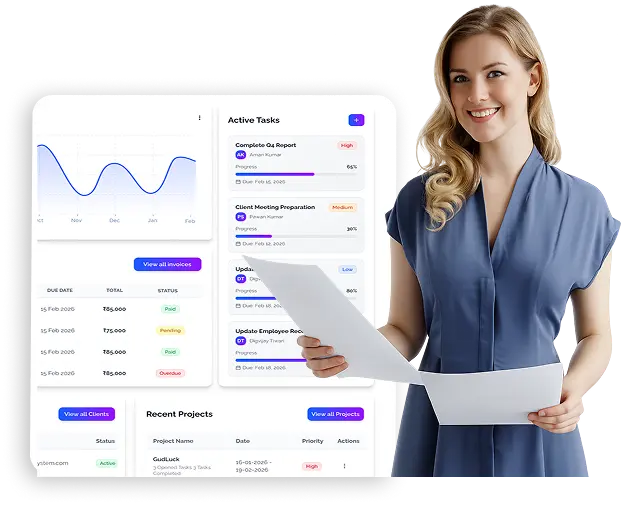
With Renown System, businesses can access capabilities that include:
- Employee and leave management
- Customer and client management
- Task and project management
- Payroll and onboarding management
- Invoice and ticket management
- Business reporting and workflow support
When relevant information is organized within a unified environment, teams can coordinate responsibilities more effectively and reduce dependence on disconnected processes.
The exact benefits depend on how the platform is configured and how consistently employees use it. Businesses should evaluate their operational requirements before selecting the appropriate software and modules.
5. Automate Repetitive Tasks and Save Valuable Time
Repetitive administrative activities can consume time that employees could otherwise spend on customer service, planning, and business development.
Business workflow automation can help organize routine processes, such as task assignments, reminders, approval requests, and status updates.
For example, a manager can establish a structured process for assigning work, reviewing progress, and following up on pending activities. This reduces the need for repeated manual communication and helps employees understand what needs to be completed.
Automation does not eliminate the need for human oversight. Instead, it supports employees by making routine workflows more organized, consistent, and easier to monitor.
Businesses should prioritize automation opportunities that address their actual operational challenges rather than introducing unnecessary complexity.
6. Make Better Decisions with Centralized Information
Effective business decisions depend on having relevant and reliable information. When reports are prepared manually from multiple sources, decision-makers may spend considerable time collecting and verifying data.
Business management platforms can help organize operational information and provide reporting capabilities that support management reviews.
Depending on the available features and data quality, managers may review sales activities, project progress, employee responsibilities, and other operational indicators.
This visibility can help organizations identify workflow bottlenecks, evaluate team performance, and make more informed decisions about resource allocation.
However, software alone does not guarantee better decisions. Businesses also need clear performance indicators, accurate records, and regular reviews of the information available.
7. How to Choose the Right Business Management Software
Before investing in a business management platform, evaluate how well it fits your organization's requirements.
Consider the following factors:
1. Essential features: Identify whether you need employee management, CRM, project tracking, payroll, invoicing, or other specific capabilities.
2. Ease of use: Choose a platform that employees and managers can understand without unnecessary complexity.
3. Scalability: Consider whether the software can accommodate additional employees, clients, projects, and business locations as your company grows.
4. Data security: Review access controls, backup practices, and the provider's security documentation.
5. Reporting capabilities: Determine whether the platform offers the information needed to monitor business activities.
6. Pricing and support: Compare subscription costs, user limits, included modules, implementation requirements, and customer support.
A careful evaluation helps businesses select software that supports their existing workflows while providing room for future growth.
Conclusion: Streamline Your Business Operations with Renown System
Business growth becomes easier to manage when employees, customers, projects, and daily workflows are organized effectively. The right combination of an Employee Management System, CRM Software, and Project Management Software can help businesses improve coordination, strengthen accountability, and gain better visibility into their operations.
Renown System brings essential business management capabilities together on one platform, helping organizations coordinate workforce activities, manage customer relationships, organize projects, and streamline operational processes.