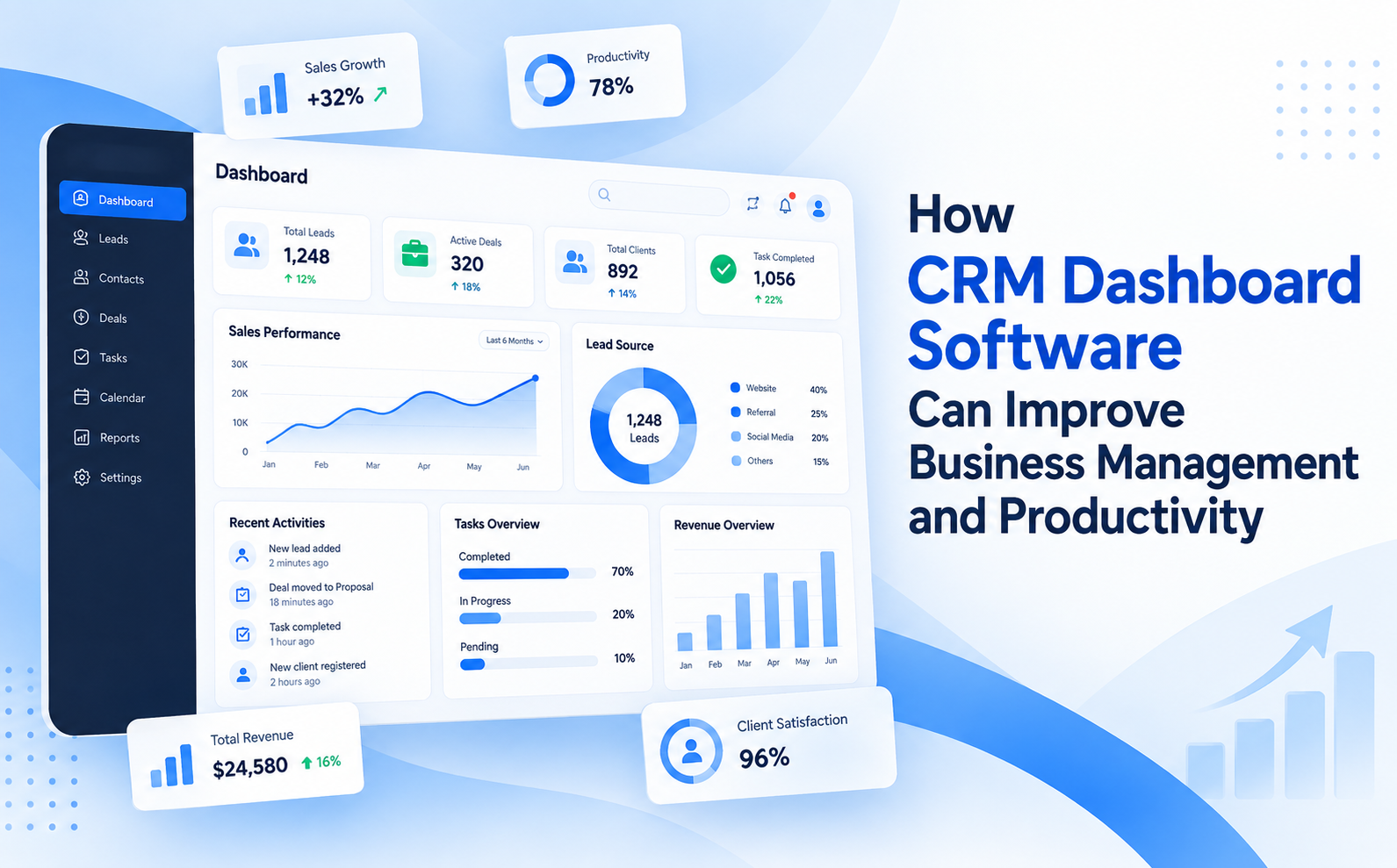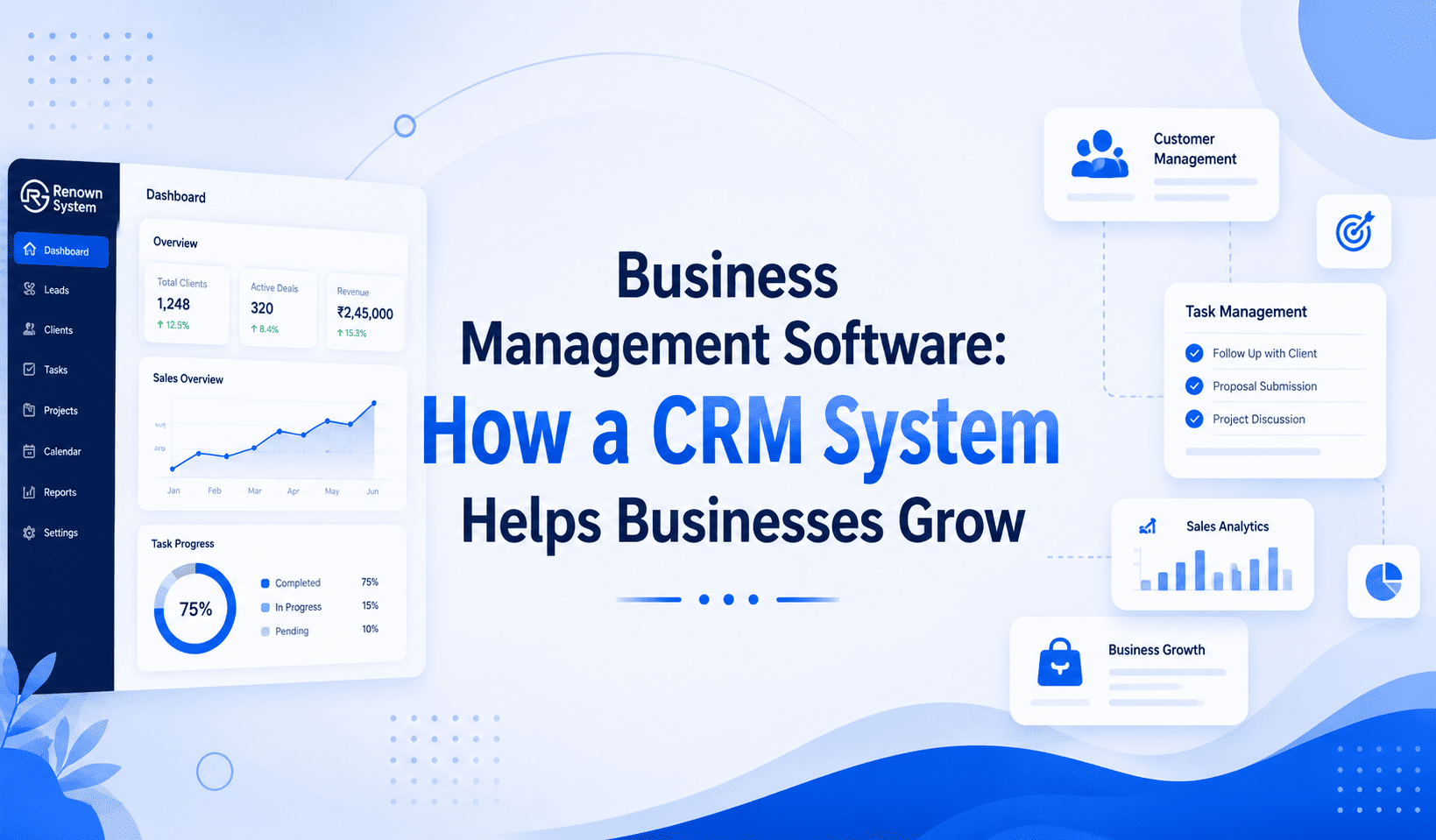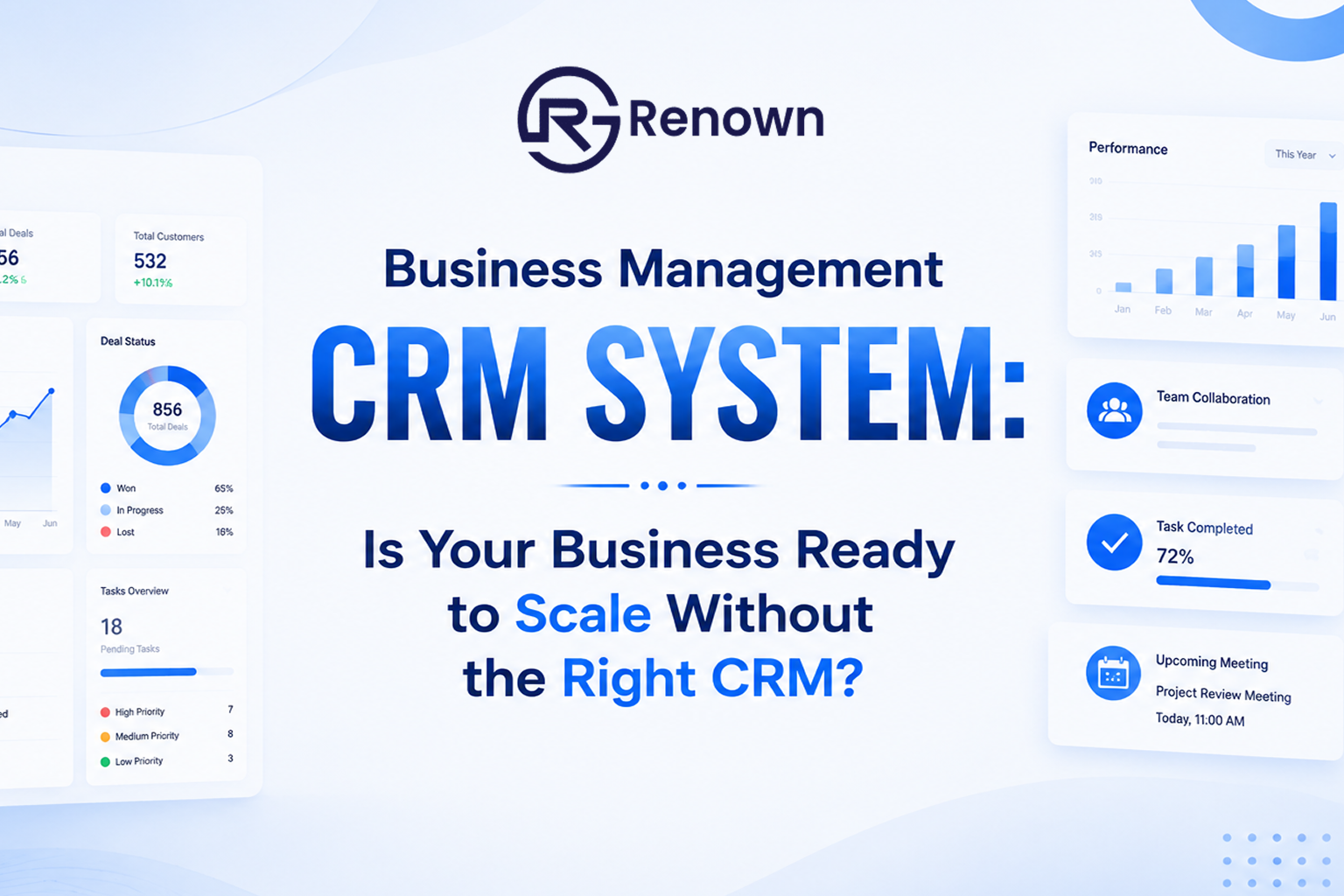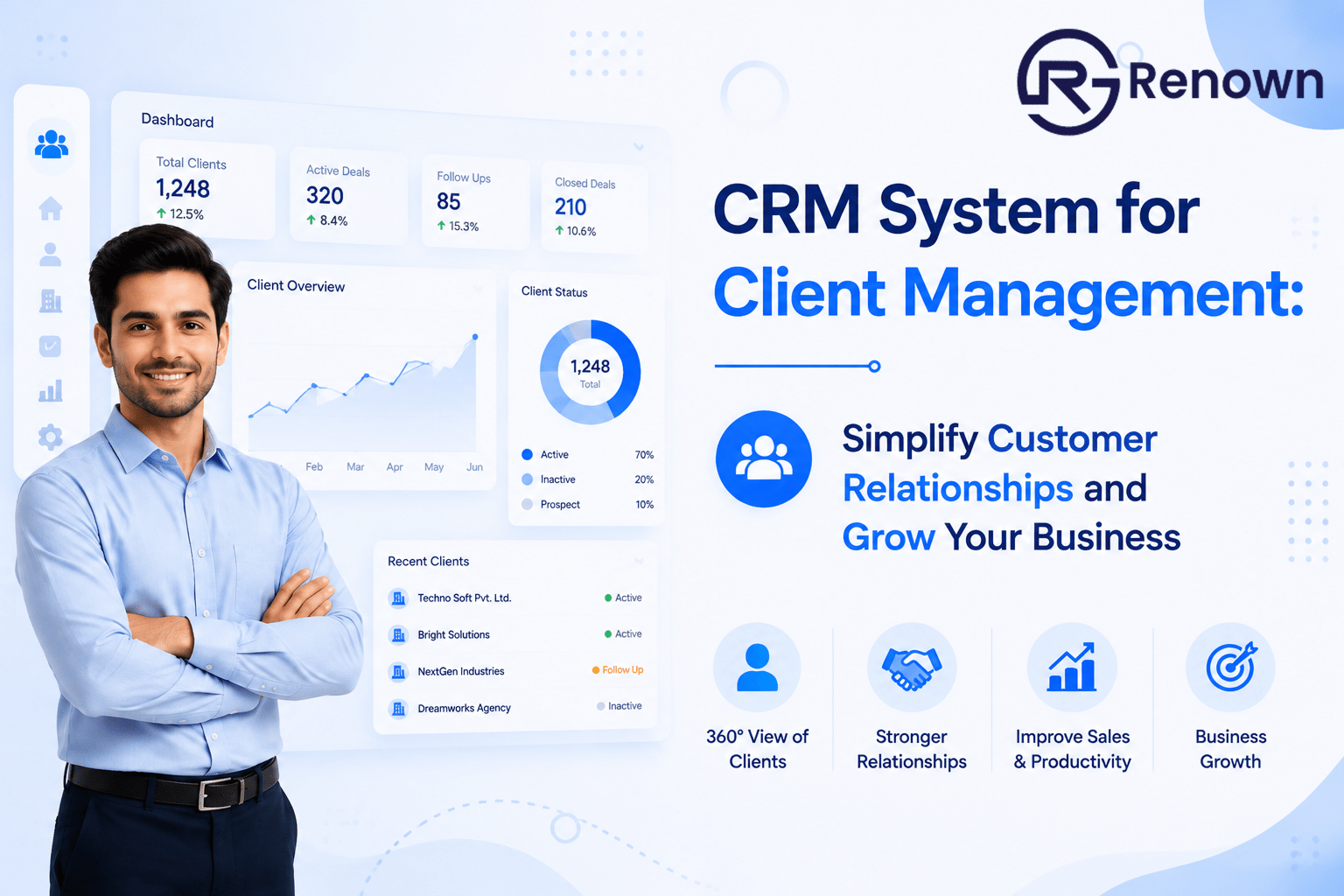
Managing clients effectively is one of the most important aspects of running a successful business. As the number of customers, leads, and ongoing projects increases, handling client information manually can become difficult and time-consuming. A CRM system for client management helps businesses organize customer data, track interactions, manage follow-ups, and build stronger long-term relationships from one centralized platform.
For businesses looking to improve productivity and customer satisfaction, a reliable CRM can make everyday client management more structured, efficient, and transparent.
What Is a CRM System for Client Management?
A CRM system for client management is software designed to help businesses manage their interactions and relationships with existing and potential customers. Instead of keeping customer details across spreadsheets, emails, notebooks, and different applications, a CRM brings important information together in one centralized system.
Businesses can use a CRM to store client contact information, monitor communication history, track sales opportunities, schedule follow-ups, manage tasks, and understand the overall status of each customer relationship.
This centralized approach allows teams to spend less time searching for information and more time focusing on customers.
Why Do Businesses Need a CRM for Client Management?
Effective client management requires consistent communication and timely follow-ups. Missing a customer inquiry or forgetting an important task can negatively affect customer satisfaction and business opportunities.
A CRM system for client management helps reduce these challenges by providing teams with organized customer information and automated workflows.
Some key benefits include:
1. Centralized Client Information
A CRM keeps customer details in one place. Sales and customer service teams can quickly access contact details, previous interactions, notes, tasks, and other relevant information.
Having centralized data makes it easier for employees to understand a client's history without searching through multiple platforms.
2. Better Client Communication
Consistent communication plays an important role in maintaining strong customer relationships. With a CRM, teams can track emails, calls, meetings, follow-ups, and other interactions.
This helps employees understand what has already been discussed with a client and determine the appropriate next step.
3. Improved Follow-Up Management
Following up at the right time can make a major difference in converting leads and retaining customers. A CRM allows businesses to create tasks, reminders, and follow-up schedules so important activities are less likely to be forgotten.
Sales representatives can monitor upcoming activities and prioritize clients based on their requirements and current status.
4. Increased Team Productivity
Managing client information manually can consume valuable working hours. A CRM system reduces repetitive administrative work by organizing customer data and workflows.
Employees can quickly find information, update records, assign tasks, and monitor activities from a single platform. This can help teams work more efficiently.
5. Better Customer Retention
Client management does not end after a sale. Businesses need to maintain relationships with existing customers to encourage repeat purchases and long-term loyalty.
A CRM helps businesses maintain a record of customer interactions and requirements, making it easier to provide personalized communication and timely support.
Important Features of a Client Management CRM
When choosing a CRM system for client management, businesses should consider features that support their specific workflows.
Important CRM features can include:
Contact and client management for organizing customer information
Lead management for tracking potential customers
Task management for assigning and monitoring activities
Sales pipeline management for monitoring opportunities
Follow-up reminders for timely customer communication
Interaction tracking for maintaining communication history
Reports and analytics for evaluating business performance
Team collaboration for improving coordination between employees
Project and activity management for keeping client-related work organized
The right combination of features can help businesses create a more efficient client management process.
How a CRM Can Improve the Customer Journey
A customer may interact with several departments before becoming a long-term client. Without a centralized system, important information can easily become fragmented.
A CRM allows businesses to track the customer journey from the initial inquiry through sales, onboarding, support, and future engagement. Teams can understand where a customer currently stands and what action should happen next.
For example, when a new lead contacts a business, the sales team can record the inquiry, assign a follow-up task, update the lead status, and continue tracking communication. Once the lead becomes a customer, the same information can support future relationship management.
This creates a more connected and organized customer experience.
Choose Renown System for Smarter Client Management
Renown System provides businesses with solutions designed to organize customer relationships, sales activities, tasks, projects, and workforce operations.
With a centralized approach to business management, Renown System can help teams keep important information organized and improve coordination across daily operations. Businesses can use CRM capabilities to manage leads, monitor sales activities, organize client-related tasks, and maintain better visibility into their workflows.
For organizations that want to move away from scattered spreadsheets and disconnected tools, implementing a dedicated CRM can be an important step toward more efficient client management.
Conclusion
A CRM system for client management can help businesses organize customer information, improve communication, manage follow-ups, increase productivity, and build stronger customer relationships. As businesses grow, having a centralized platform becomes increasingly valuable for maintaining visibility and consistency across client interactions.
By choosing the right CRM solution, businesses can create a structured approach to managing leads and customers while giving their teams the tools they need to work efficiently.
For businesses seeking a centralized solution for CRM, sales, tasks, projects, and workforce management, Renown System can help create a more organized and productive business environment.