Employee Management CRM: Streamlining Workforce Management for Business Growth

In today's competitive business environment, managing employees efficiently is essential for organizational success. Companies need a centralized solution to handle employee records, track performance, manage attendance, and improve communication. An Employee Management CRM helps businesses streamline workforce operations, increase productivity, and enhance employee engagement. By integrating employee data into a single platform, organizations can make informed decisions and improve overall efficiency.

What is an Employee Management CRM?

An Employee Management CRM is a software solution designed to manage employee information, automate HR processes, and improve workforce management. It provides a centralized database where businesses can store employee details, monitor performance, track attendance, and manage daily operations efficiently.

Unlike traditional spreadsheets and manual record-keeping methods, an employee management CRM offers automation, real-time reporting, and seamless collaboration between departments.

Why Businesses Need an Employee Management CRM

As organizations grow, managing employee data manually becomes challenging and time-consuming. An employee management CRM simplifies workforce management by providing easy access to employee records and automating repetitive administrative tasks.

Key Reasons to Implement Employee Management CRM

Centralized employee database

Automated attendance tracking

Performance management tools

Improved internal communication

Better workforce planning

Enhanced productivity monitoring

Accurate reporting and analytics

Key Features of Employee Management CRM

1. Employee Information Management

A CRM system stores employee details such as contact information, job roles, department assignments, and employment history in a secure database.

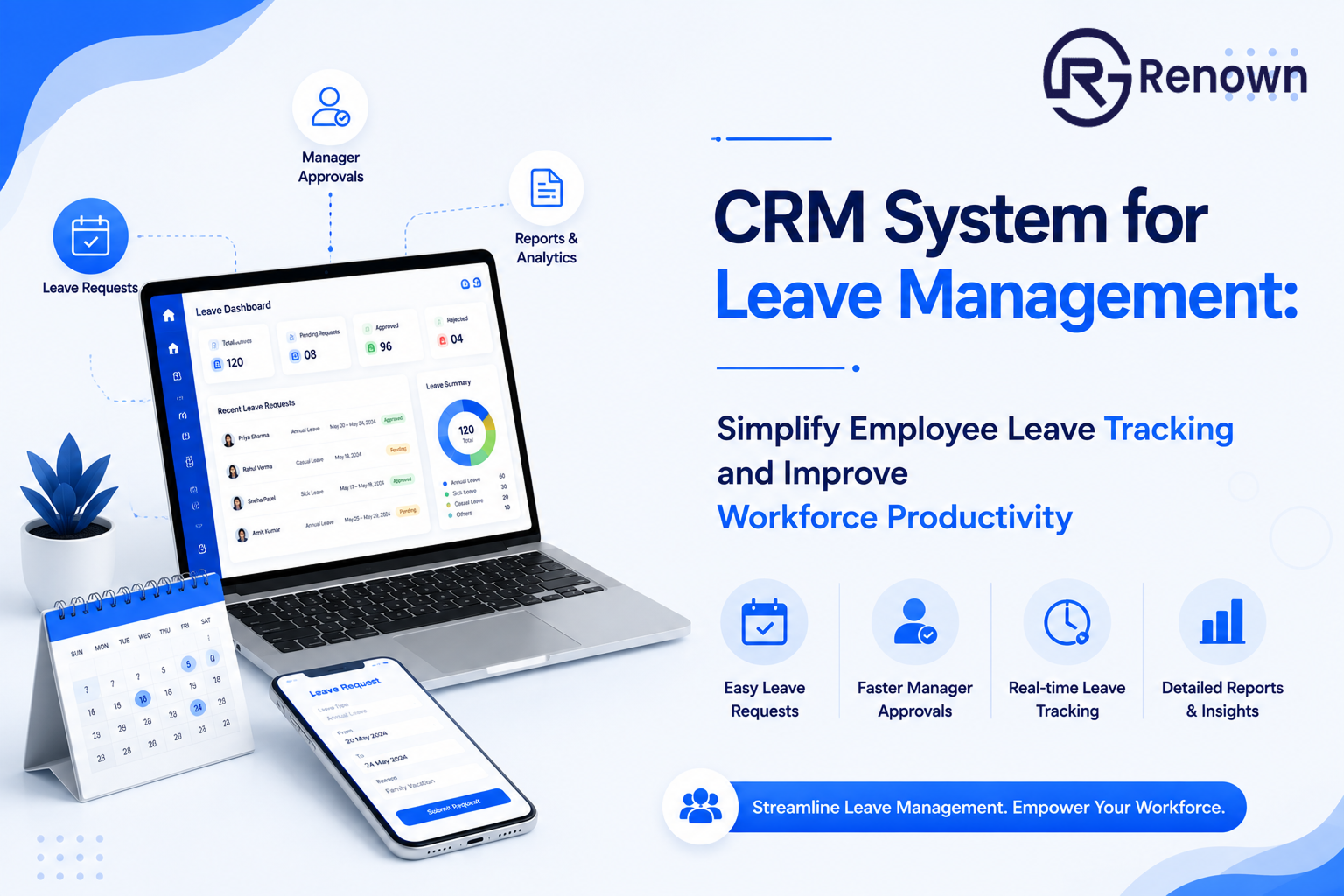
2. Attendance and Leave Tracking

Organizations can monitor employee attendance, working hours, and leave requests through an integrated system, reducing manual work and errors.

3. Performance Monitoring

Managers can evaluate employee performance using KPIs, goals, and performance reviews, helping identify strengths and improvement areas.

4. Task and Workflow Management

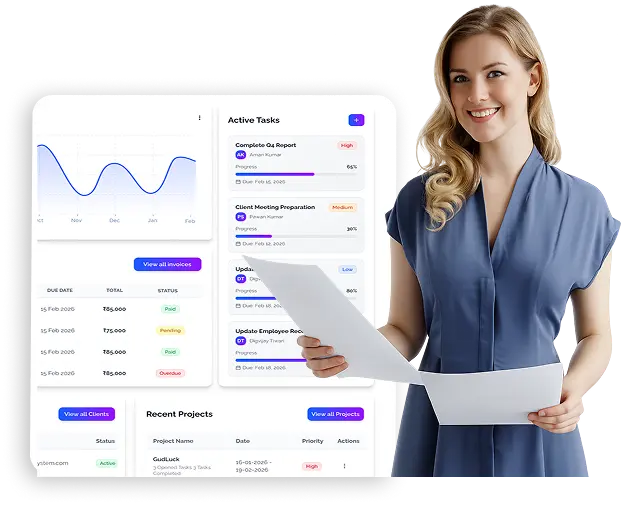
Employee management CRM enables task assignment, progress tracking, and project collaboration to ensure work is completed efficiently.

5. Reporting and Analytics

Businesses gain valuable insights through real-time reports on employee productivity, attendance, and overall workforce performance.

Benefits of Employee Management CRM

Improved Employee Productivity

By automating routine tasks and simplifying workflows, employees can focus on high-value activities that contribute to business growth.

Better Data Accuracy

A centralized system reduces data duplication and human errors, ensuring reliable employee information.

Enhanced Employee Experience

Employees can access their records, submit leave requests, and communicate with management through a single platform.

Faster Decision-Making

Real-time reports and analytics help management make informed decisions regarding workforce planning and performance improvement.

Increased Operational Efficiency

Automated processes reduce administrative workload and improve overall business operations.

How Employee Management CRM Supports HR Teams

Human Resource departments are responsible for managing recruitment, onboarding, attendance, performance, and employee engagement. A CRM for employee task management helps HR professionals by:

Automating employee onboarding processes

Managing attendance and leave requests

Tracking employee performance

Maintaining compliance records

Generating workforce reports

Improving communication with employees

This allows HR teams to focus more on strategic initiatives rather than administrative tasks.

Employee Management CRM for Small and Large Businesses

Small Businesses

Small businesses often operate with limited resources. Employee management CRM helps streamline operations, reduce paperwork, and improve workforce visibility.

Large Enterprises

For large organizations, managing hundreds or thousands of employees can be complex. A CRM system provides scalability, centralized management, and detailed reporting to handle workforce operations effectively.

Why Choose Renown System Employee Management CRM?

Renown System offers a powerful Employee Management CRM solution designed to help businesses manage their workforce efficiently. The platform combines employee data management, attendance tracking, task management, and performance monitoring in a user-friendly interface.

Benefits of Renown System

Centralized employee records

Easy attendance management

Leave tracking and approvals

Performance evaluation tools

Task and project management

Real-time reporting and analytics

Secure cloud-based access

Scalable for growing businesses

With Renown System, organizations can simplify workforce management while improving employee productivity and operational efficiency.

Best Practices for Implementing Employee Management CRM

To maximize the benefits of an employee management CRM, businesses should:

Define clear workforce management goals

Train employees on system usage

Keep employee records updated

Monitor performance regularly

Use reports for data-driven decision-making

Integrate CRM with existing business processes

Proper implementation ensures long-term success and improved workforce management.

Conclusion

An Employee Management CRM is an essential tool for modern businesses seeking to improve workforce management, streamline HR operations, and increase employee productivity. By centralizing employee data, automating processes, and providing valuable insights, organizations can make better decisions and enhance operational efficiency.

Renown System provides a comprehensive Employee Management CRM solution that helps businesses manage employees effectively, improve collaboration, and drive sustainable growth. Investing in the right CRM system today can create a more productive and organized workplace for the future.

Jun 01, 2026